Author: Gabriela Rosell

  • HAUTE SPACES

    A series where architecture meets style.

    ACNE STUDIOS, MIAMI FLORIDA

    Acne Studios began in Stockholm, Sweden in 1996. Acne, which use to stand for “Associated Computer Nerd Enterprises” but now stands for “Ambition to Create Novel Expressions” emerged from a creative collective.

    In 1997 founder and director Jonny Johansson created raw denim jeans with pink stitching on the inside, which then would become a staple of the brand. (Same pink color painted on the facade, and interior stairs).

    Johansson expressed a lot of interest in art, fashion, photography and architecture. For me, this is important. It’s a brand born from architecture and art roots, not just commerce. It’s not just about function, but also expression.
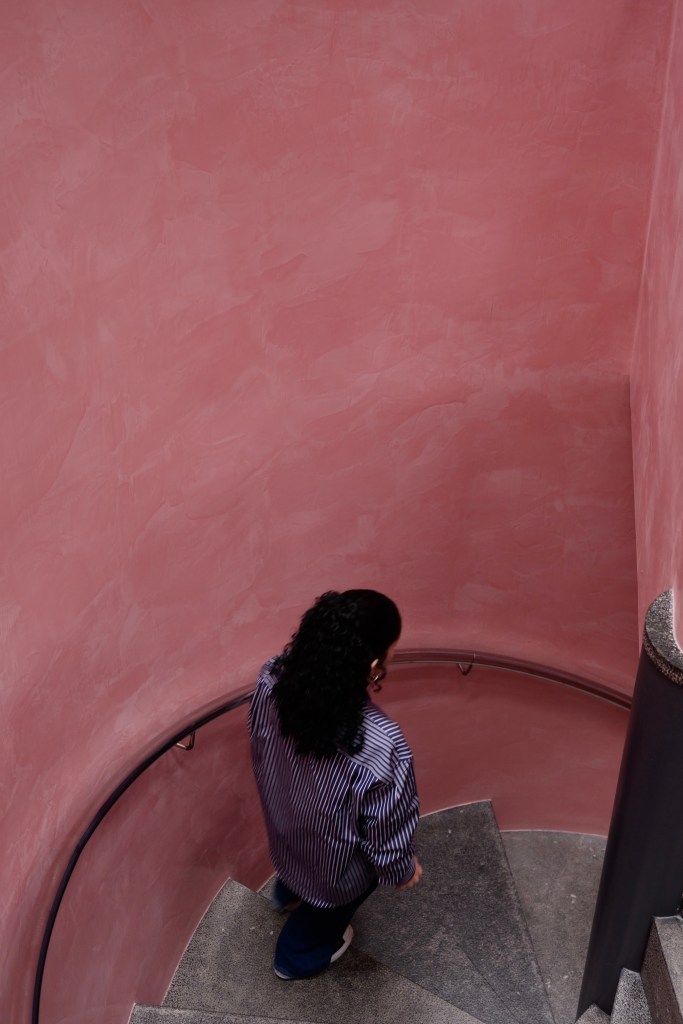
    The entire space itself was designed by Swedish studio Halleroed. They translated the brands fashion into architecture. They layered many materials from high-gloss aluminum panels, plaster walls, and black granite steps to create a movement guide through the store. Every element, from lighting to custom furniture, was calculated to support Acne’s aesthetic, creating a store that is functional, experiential, and deeply reflective of the brand’s identity.
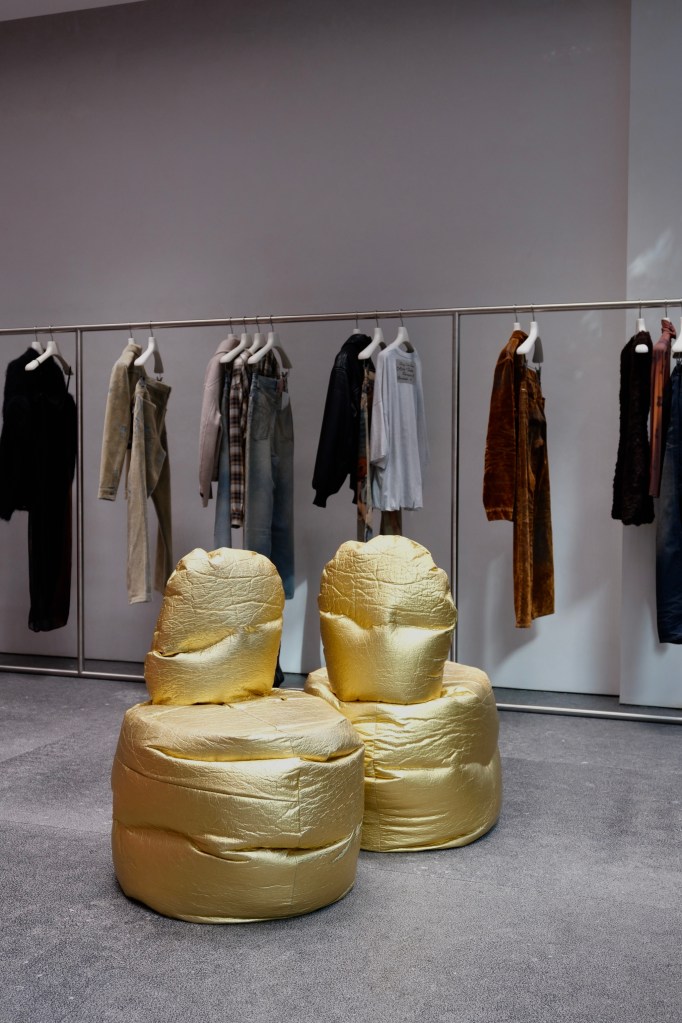
    The furniture in the Miami store was designed by Max Lamb. He is a longtime collaborator of the Acne Studios brand. His pieces are sculptural, but also organic, and inviting. The golden tones in the furniture add warmth and a subtle sense of luxury, catching the light just right and highlighting the clothing around it.

    While at the store, I spoke with one of the team members who gave me a deep dive of the brand’s philosophy. He also explained to me that in the latest collection from Acne Studios, we see objects printed on jeans. One object in particular is a teddy bear. According to creative director Jonny Johansson, the idea stemmed from a beloved childhood teddy bear keychain that found its way into the collection. The motif evokes the softness and nostalgia. In this way, Acne Studios uses the teddy bear motif to bridge memory, texture and surprise in luxury denim.

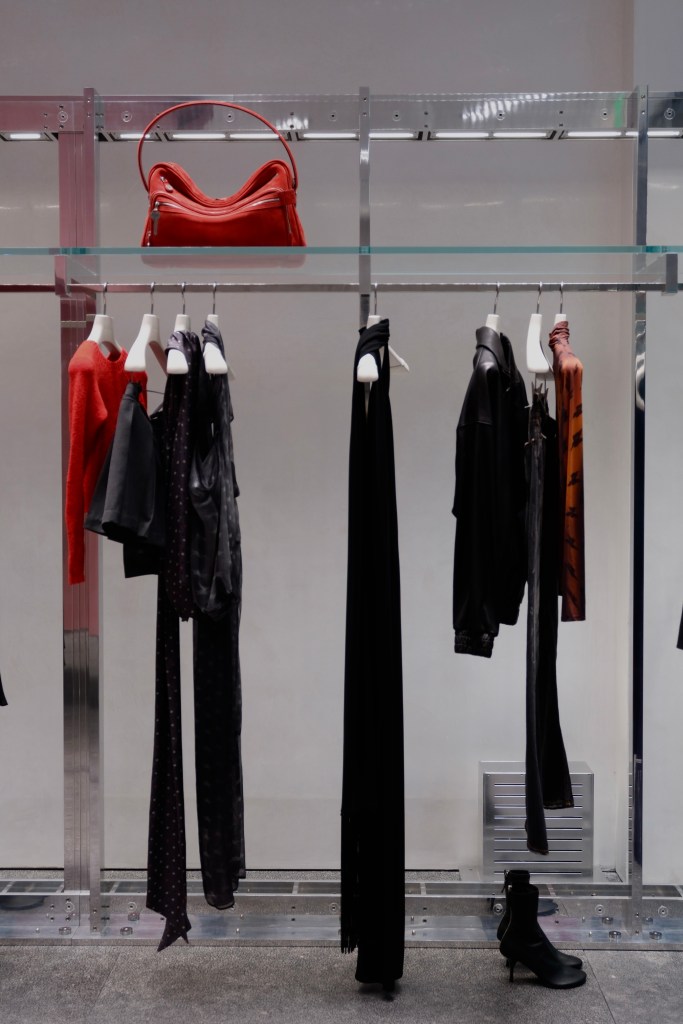
    Acne Studios in Design District immediately makes you feel the brand and its identity. All of its details speak the same language. Minimalistic yet playful, and modern but sensual. It represents the Acne brand well, and feels effortlessly cool. Architecture and fashion breathe the same air here. Everything feels intentional. The space is well dressed.
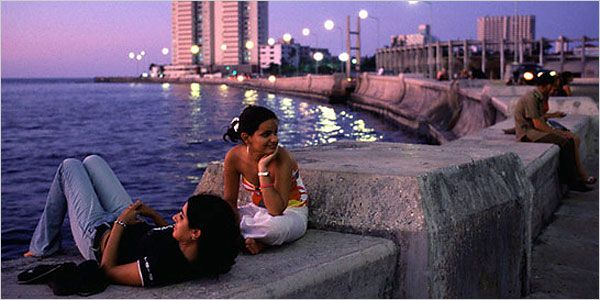
  • El Malecón: The Architecture of Emotion

    Architecture is mainly spoken about in technical terms, about its structure, materials, and form. But do we talk enough about how architecture can make us feel? How does a space move us? What emotions does it cause? Sadness? Happiness? Anger? Resentment? How can a space change us? For the better or for the worse? How can a single wall hold a memory that we will carry with us for the rest of our lives? Architecture is not layered with just history, but also intimacy.

    We don’t just fall in love with people, but we fall in love with places, and what those places made us feel. We fall in love with the feeling the cold tile gives us after being outside in the heat, the way a breeze dances through an open window and how the sun cast a perfect shadow on the edge of a wall at a certain time of the day, painting beautiful colors. I don’t think architecture needs to be perfect and polished to be profound. It just has to mean something to us.

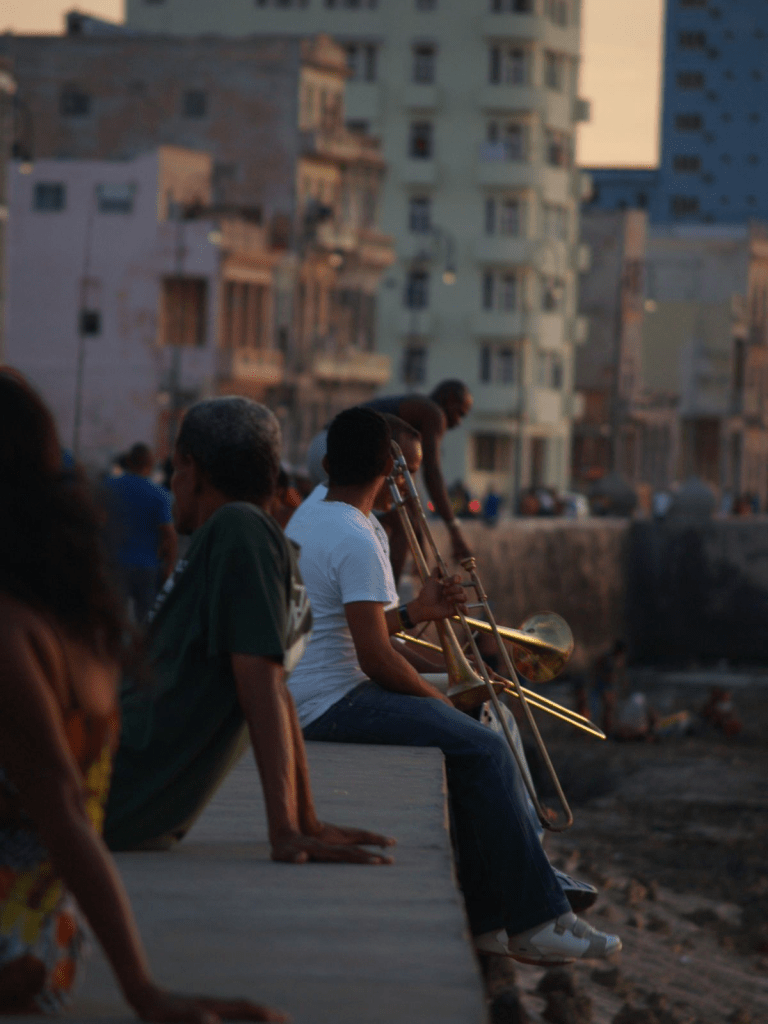
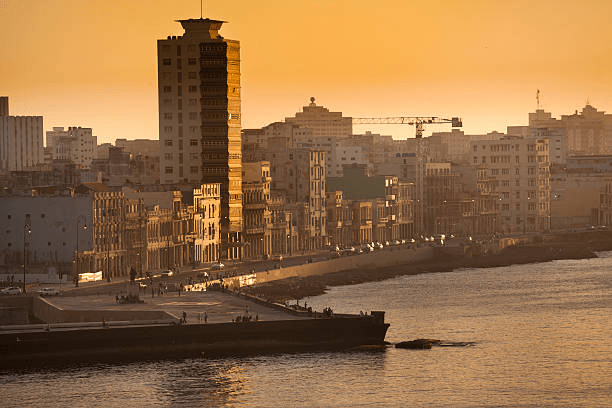
    Stretching 8 kilometers along Cuba’s north coast we are met with El Malecon. It’s Havana’s stage. On one side, we have the ocean, on the other side we have a city stuck in time. There is something so special about that space. The way the wind undoes your hair and caresses your body, the open ocean and the feeling of longing. Time does not count in a space like this, as if the world just slows down for a good while. El Malecón is a reminder that love, like architecture, will always leave a mark on us humans. How many first kisses has el Malecón felt? How many strangers have met for the first time there, exchanging shy glances? How many people have sat side by side, clinging onto their last moments together? How many hearts has El Malecon held onto, as they quietly shattered, while the sounds of goodbyes slowly fade away?

    I don’t want to just create spaces. I don’t want to draw plans of a skyscraper that leaves people feeling numb and disconnected. I want to create spaces that remind us how we felt. I want my work not only to be seen, but heard, and loved, and hated, just anything to spark an emotion. Because the real reason behind life is how we feel, and how we love. How we love what we do, how we love our parents, our partners, our friends, animals, music, everything. How we love the way a color reminds us of a memory we thought was lost. How the sound of shoes walking on the floor reminds us of someone long gone. Isn’t this what architecture should be about? It’s not just a form, but a place that holds stories, a silent witness to joy, pain, love, sadness, and things that shape us.

    If you ever get the opportunity to visit Havana, I encourage you to go sit on El Malecon. With your legs crossed, feeling the salty air and the breeze that lightly welcomes you. Remember who you are. What you love, and what makes you, you. Architecture is much more than a building. It’s a space where identity comes to life. The Cuban Poet, Jose Marti, once wrote, “Amor es el crater de un volcan… deja luz en todo lo que besa.”  El Malecon also leaves a light. It welcomes you with open arms, kisses those who sit on its edge, and connects us humans. And even after people walk away, the light remains lit. 

    From Havana with love,

    Gabriela.

  • Una Vita Non Basta: FIRENZE

    Cathedral of Santa Maria del Fiore

    As I continue my journey through Italy, my next stop was Firenze. Leaving the train station, I was greeted by the echoes of the renaissance. Florence is a living piece of art. One of the most important pieces of architecture in Firenze is the Duomo. I was in true awe and shock when I first saw it, it stood tall with its intricate facade. It was like a painting, and Brunelleschi sure left his mark on the city. During the 4 days I spent in the city, I attended the 6pm mass every day. The sacred feel of the interior with its high ceilings and pristine details were unforgettable. I felt an emotional and personal experience every time. 

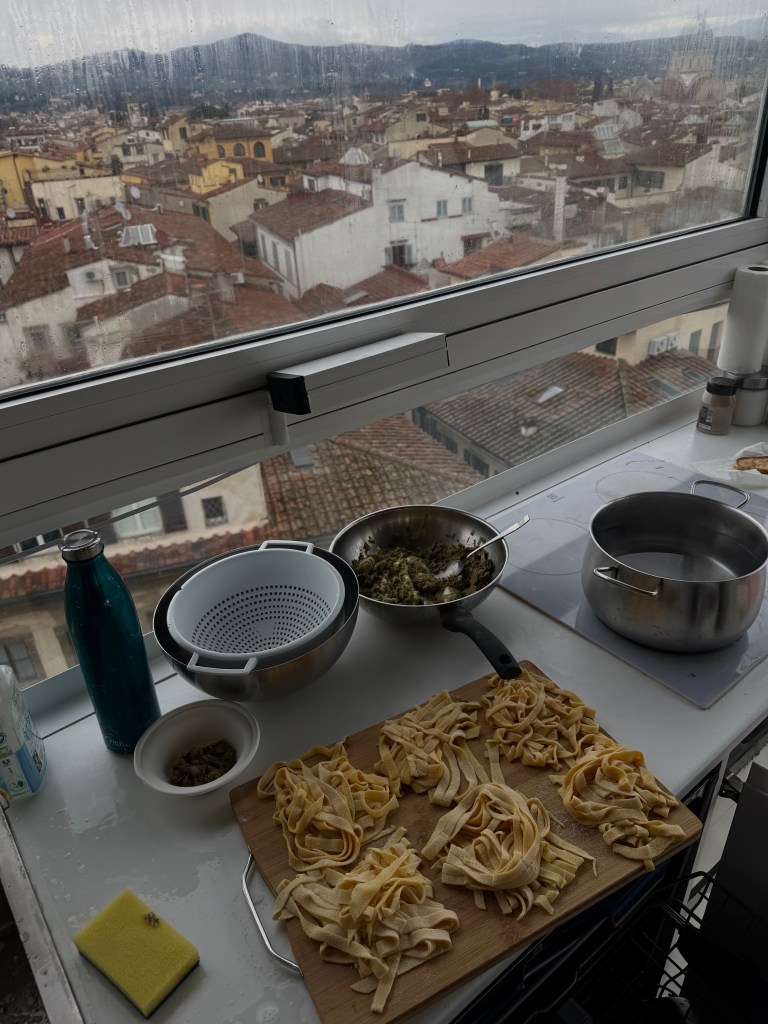
    One of the most memorable moments I had in Firenze was a cooking class I took with a local woman, that had the most beautiful kitchen space that overlooked all of Firenze. She was older, very knowledgeable and passionate about cooking. Her passion was evident, teaching me the art of creating from scratch. Beauty lies within the care and tradition of each dish.  

    Clet Abraham

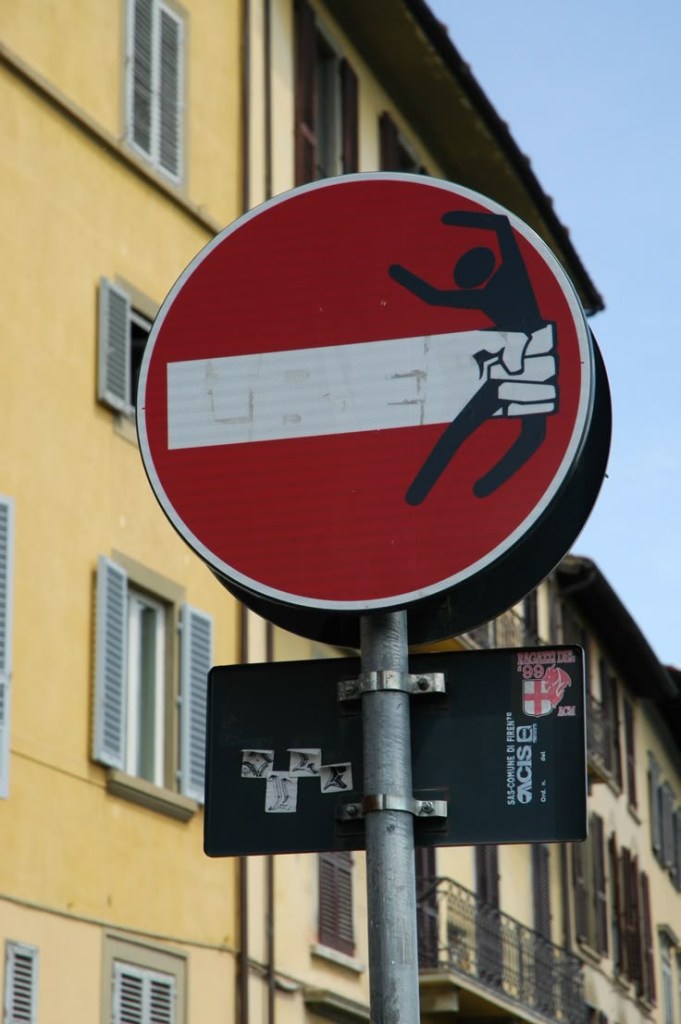
    Throughout the streets of Firenze, if you take a second to pay attention, you will notice these simple traffic signs with clever subversions all across the city. These belong to the artist Clet Abraham. My Italian tutor Gianluca was the one that first introduced me to his work, and I have been a fan ever since. Clet’s work is a modern disruption in a city of order and renaissance, and goes to show that even within serious architecture, there is room for humor.  

    The Statue of David

    As my time in Firenze came to an end, its beautiful art and architecture left a lasting mark on me. The statue of David, The Birth of Venus, and so much more to admire. A city where art and history come together. Alla prossima volta, Firenze! 

  • Una Vita Non Basta: ROMA

    Giardino degli Aranci

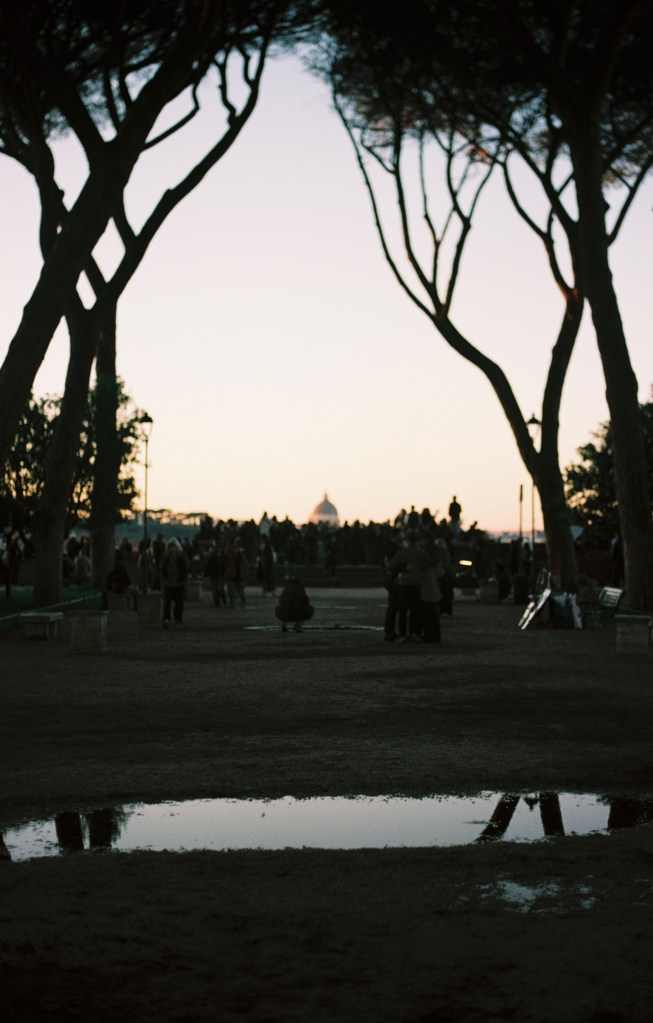
    In December, I set off on a 3-week solo trip to Europe, not knowing exactly what I was searching for—but hoping to find it anyway. I wandered through streets, experienced Mass in some of the most beautiful churches in the world, and through the architecture, I felt a quiet connection to the past. I was reminded how much beauty there is in both permanence and change. 

    Giardino degli Aranci

    My first stop was Rome. The second I stepped foot in the city, I felt an instant connection. I remember calling my mom and telling her I wanted to live there—and I had only been in Rome for about two hours at that point. There is just something about Rome. I felt like the city knew me before I got to know it.  I explored the city on a vespa with a local I had met, his name was Valerio. Valerio took me to see some of the most breathtaking architecture I had ever laid eyes on. The Pantheon, its engineering and design left me in awe, with its dome and the oculus letting in a soft line of light that seemed to breathe life. The Colosseum, still standing, was a reminder of strength in survival. Walking through plazas made me feel as if I was walking through paintings. 

    Sandro Fiorentini

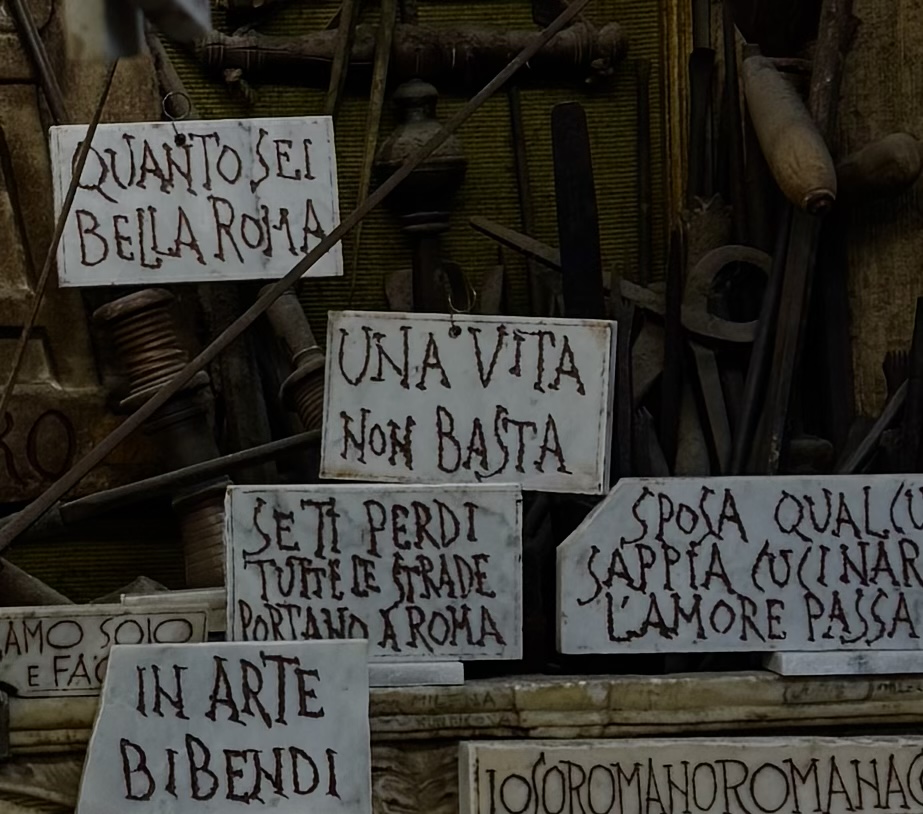
    But Rome wasn’t just about the architecture, it was also about the people. I stumbled across a shop while I was looking for a place to eat and met Sandro Fiorentini. Sandro is an architect and currently owns La Bottega del Marmorato, a family treasure. He took over the shop after his father, who opened the shop in the 60’s. Here, he hand-carves marble pieces, does custom inscriptions, and even make statues. In Sandro’s eyes, I saw not just the determination of an architect, but also a deep respect for the art around us, if we take the time to notice.  

    Among the many carved marble inscriptions I saw, one stuck out to me. I read the phrase “Una vita non basta.” These words lingered in my thoughts for a while after, as if I was carrying a heavy weight. In this phrase, I understood the yearning for more than what time can offer. A yearning for experiences too immense to be contained within a single life, and moments that slip through our fingers. Una vita non basta—one life is never enough, and in that, I felt a sense of both sadness and happiness, with a side of guilt, and a bittersweet truth that love and life cannot be confined within the boundaries of a single lifetime. 

    Basilica di Santa Maria Sopra Minerva

    Todos los caminos te llevan a Roma, and I wouldn’t mind visiting a thousand more times.

  • ARCH ECHO TALKS ART DECO

    Art Deco, a Miami vintage dream

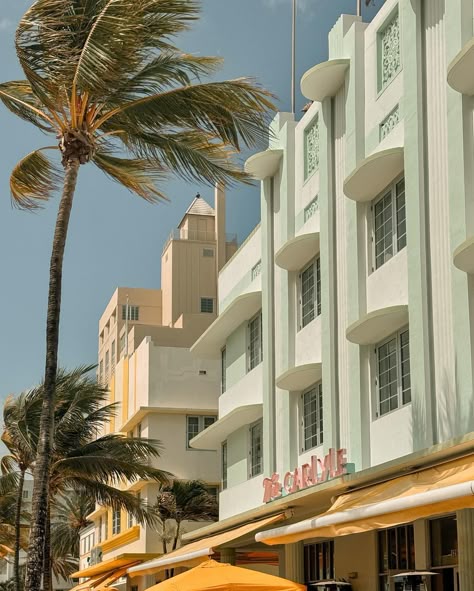
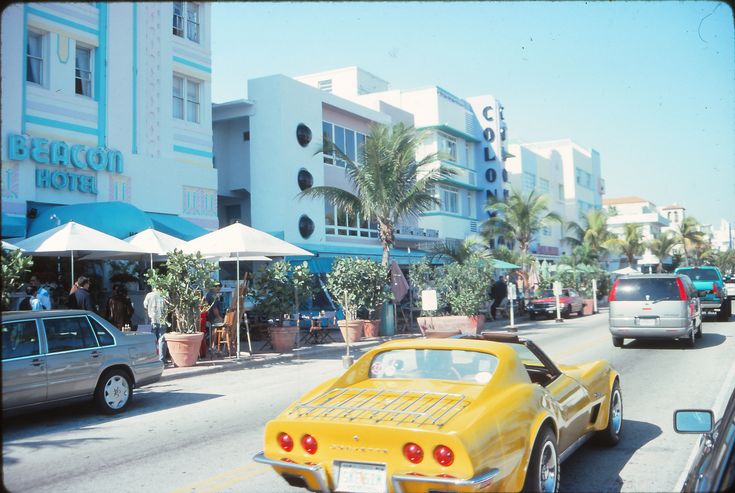
    Miami Beach embraced the style of “Art Deco”, which originated in France, in the early 1930’s. Miami soon became a hub for stylish vacations, with its unique geometric facades, pastel colors, and textures. This iconic style has left a lasting mark on Miami Beach today.

    After WW2, Art Deco experienced a drop in popularity as people opted in for more modern styles, where the MiMo style was soon born. The Miami Modern style was created in response to the decline.

    Luckily, in the 1970’s people joined efforts to preserve Art Deco. In 1976, the Miami Design Preservation League began. The played an extremely crucial role in the late 70’s, advocating for the preservation and restoration of the architectural heritage. Through their efforts, they have ensured that Miami Beach maintains its very vibrant Art Deco hub.

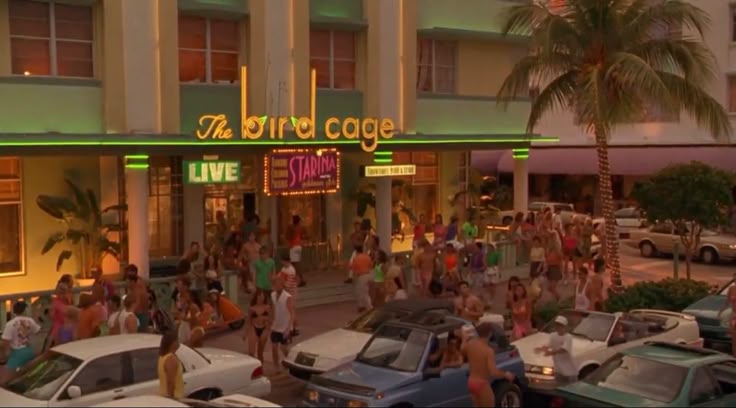
    Art Deco has been featured in many movies, highlighting its vibrant colors, and luxurious details. Famous movies like The Birdcage, Scarface, and Miami Vice can be seen showcasing the Iconic Art Deco District. Art Deco in films causes us to feel many emotions by using bold patterns to create an atmosphere of elegance, and give us a sense of nostalgia. Art Deco in films takes us to experience a world of glamour, being immersed in the timeless aesthetic.

    My question is, how long will the Art Deco District be around? Will efforts to preserve Art Deco architecture be enough to maintain its cultural significance in the coming decades? I believe Art Deco will be around for decades to come, as long as there is continuous efforts to preserve its history, but also allow for it evolve. The Art Deco District is such an important part of Miami, where these vibrant colors and design come together to tell a story.