Architecture is mainly spoken about in technical terms, about its structure, materials, and form. But do we talk enough about how architecture can make us feel? How does a space move us? What emotions does it cause? Sadness? Happiness? Anger? Resentment? How can a space change us? For the better or for the worse? How can a single wall hold a memory that we will carry with us for the rest of our lives? Architecture is not layered with just history, but also intimacy.
We don’t just fall in love with people, but we fall in love with places, and what those places made us feel. We fall in love with the feeling the cold tile gives us after being outside in the heat, the way a breeze dances through an open window and how the sun cast a perfect shadow on the edge of a wall at a certain time of the day, painting beautiful colors. I don’t think architecture needs to be perfect and polished to be profound. It just has to mean something to us.
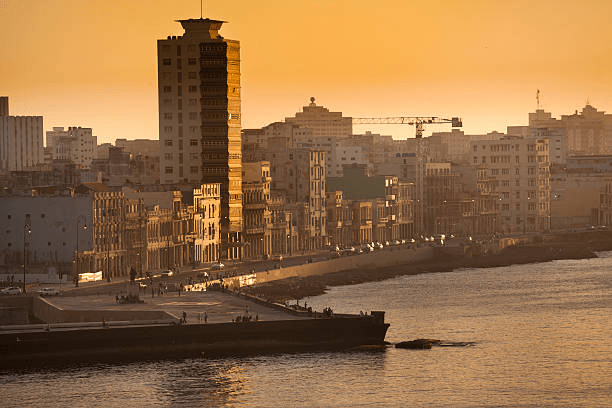
Stretching 8 kilometers along Cuba’s north coast we are met with El Malecon. It’s Havana’s stage. On one side, we have the ocean, on the other side we have a city stuck in time. There is something so special about that space. The way the wind undoes your hair and caresses your body, the open ocean and the feeling of longing. Time does not count in a space like this, as if the world just slows down for a good while. El Malecón is a reminder that love, like architecture, will always leave a mark on us humans. How many first kisses has el Malecón felt? How many strangers have met for the first time there, exchanging shy glances? How many people have sat side by side, clinging onto their last moments together? How many hearts has El Malecon held onto, as they quietly shattered, while the sounds of goodbyes slowly fade away?
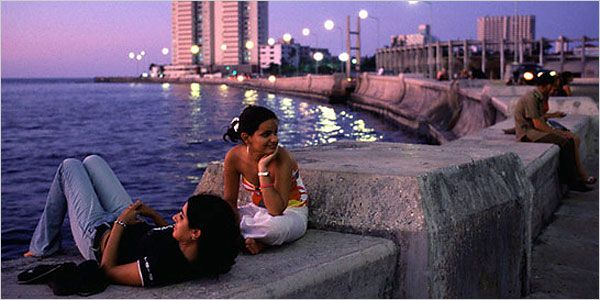
I don’t want to just create spaces. I don’t want to draw plans of a skyscraper that leaves people feeling numb and disconnected. I want to create spaces that remind us how we felt. I want my work not only to be seen, but heard, and loved, and hated, just anything to spark an emotion. Because the real reason behind life is how we feel, and how we love. How we love what we do, how we love our parents, our partners, our friends, animals, music, everything. How we love the way a color reminds us of a memory we thought was lost. How the sound of shoes walking on the floor reminds us of someone long gone. Isn’t this what architecture should be about? It’s not just a form, but a place that holds stories, a silent witness to joy, pain, love, sadness, and things that shape us.
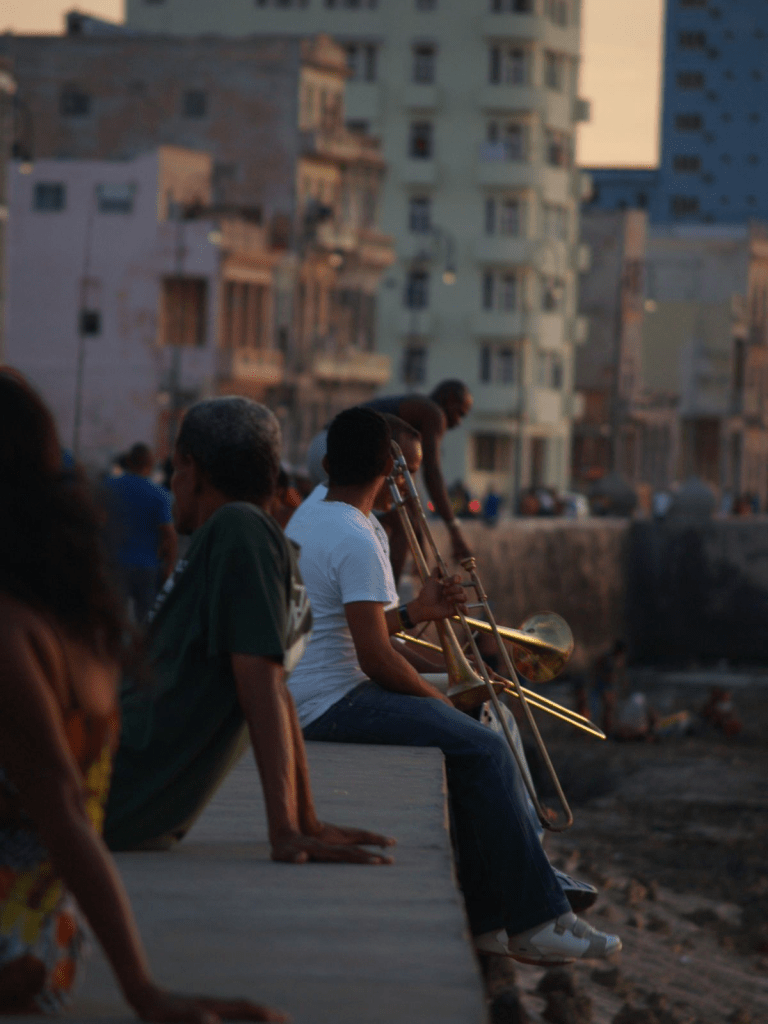
If you ever get the opportunity to visit Havana, I encourage you to go sit on El Malecon. With your legs crossed, feeling the salty air and the breeze that lightly welcomes you. Remember who you are. What you love, and what makes you, you. Architecture is much more than a building. It’s a space where identity comes to life. The Cuban Poet, Jose Marti, once wrote, “Amor es el crater de un volcan… deja luz en todo lo que besa.” El Malecon also leaves a light. It welcomes you with open arms, kisses those who sit on its edge, and connects us humans. And even after people walk away, the light remains lit.
From Havana with love,
Gabriela.



 ARCH ECHO